Just as everyone gets used to the last big transformation, another one arrives. A new system. A new AI tool. A new way of working. But who's making sure people can keep up? Often, it's the frontline managers, who are juggling change alongside everything else on their plates. We spoke to our very own Petter Lundmark about why supporting them is key to building an organisation that's ready for whatever comes next.
Who does your organisation's ability to change depend on?
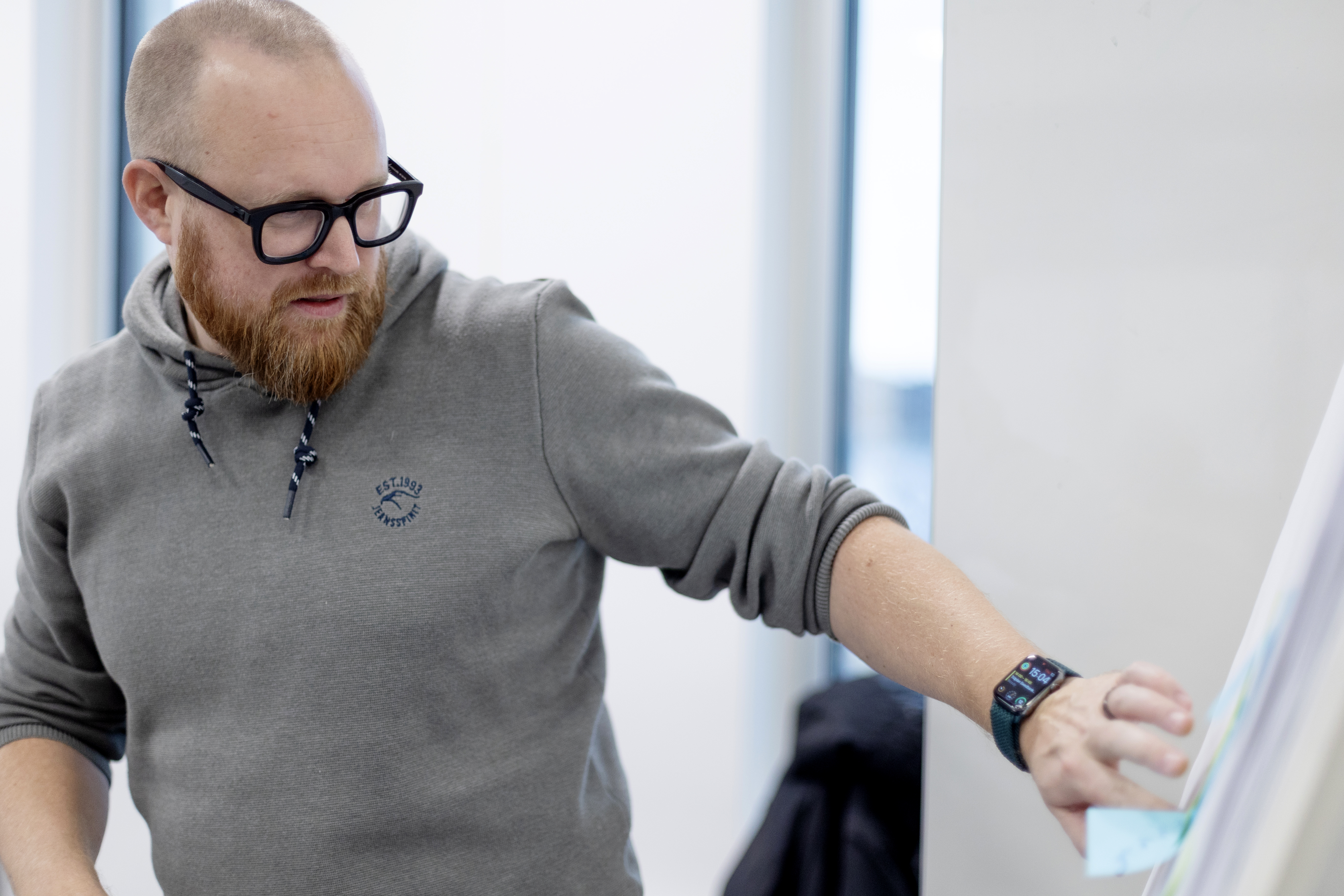
The surprising key players in change
By the time a transformation reaches the frontline, the senior leaders behind it have often spent years preparing. And when it finally goes live, those leaders breathe a sigh of relief. Job done, on to the next one! But for the frontline managers, the real work is only beginning. As Petter puts it, they're left holding “a half-eaten sandwich.”
Suddenly, everyone turns to them. “I can't get the new system to work!” “Why can't we do things the old way?” Yet most change management tools are designed for senior leaders and project teams, not the managers left making it all work.
“Most of the leaders we meet are such good people. They put so much time and energy into their teams, but they're ill-equipped. They don't get the time, they're supposed to be doing 47 different things, and they've got pressure from all sides.” For Petter, the conclusion is clear: “If you want change to last, your frontline managers are the missing link.”
Creating fertile ground
A transformation might be decided at the top, but whether it takes hold often comes down to what happens in everyday conversations: “You can't create those things, but you can create the conditions for them to happen. It's the tiny things they do differently that make the ‘change soil’ a little more fertile.”
That might mean making space for an honest conversation or involving employees in finding solutions. Most managers already know these things matter. What they lack is the chance to practise them in real situations.
Owning it
For Petter, it comes down to how managers see their role: “I have a responsibility to not just move the information along. I have a responsibility to understand what it means for us, and to translate that into something people can understand and get behind.”
But that takes practice. And where do already-stretched managers find the time for that?
Where is change leadership in 2026?
Nowadays, organisations rarely finish one transformation before the next begins. Petter points to IKEA's phrase “leading in the unknown”: “It's about being comfortable when you don't have all the answers.”
You can't prepare managers for every change, but you can help them get better at handling whatever comes next - because the next change is already on its way. The question is, will your managers be ready?
That's why we built Change Coach. There are no fake case studies or hypothetical transformations - leaders bring the real changes they're navigating right now, practise everyday actions, and take what they've learned straight back to their teams.


