While AI can now handle some of the grunt work of making a film, our filmmaker Kim maintains that the parts people really notice (like actually having good taste!) are still beautifully human.
The best use of AI in film... is the kind you can’t see
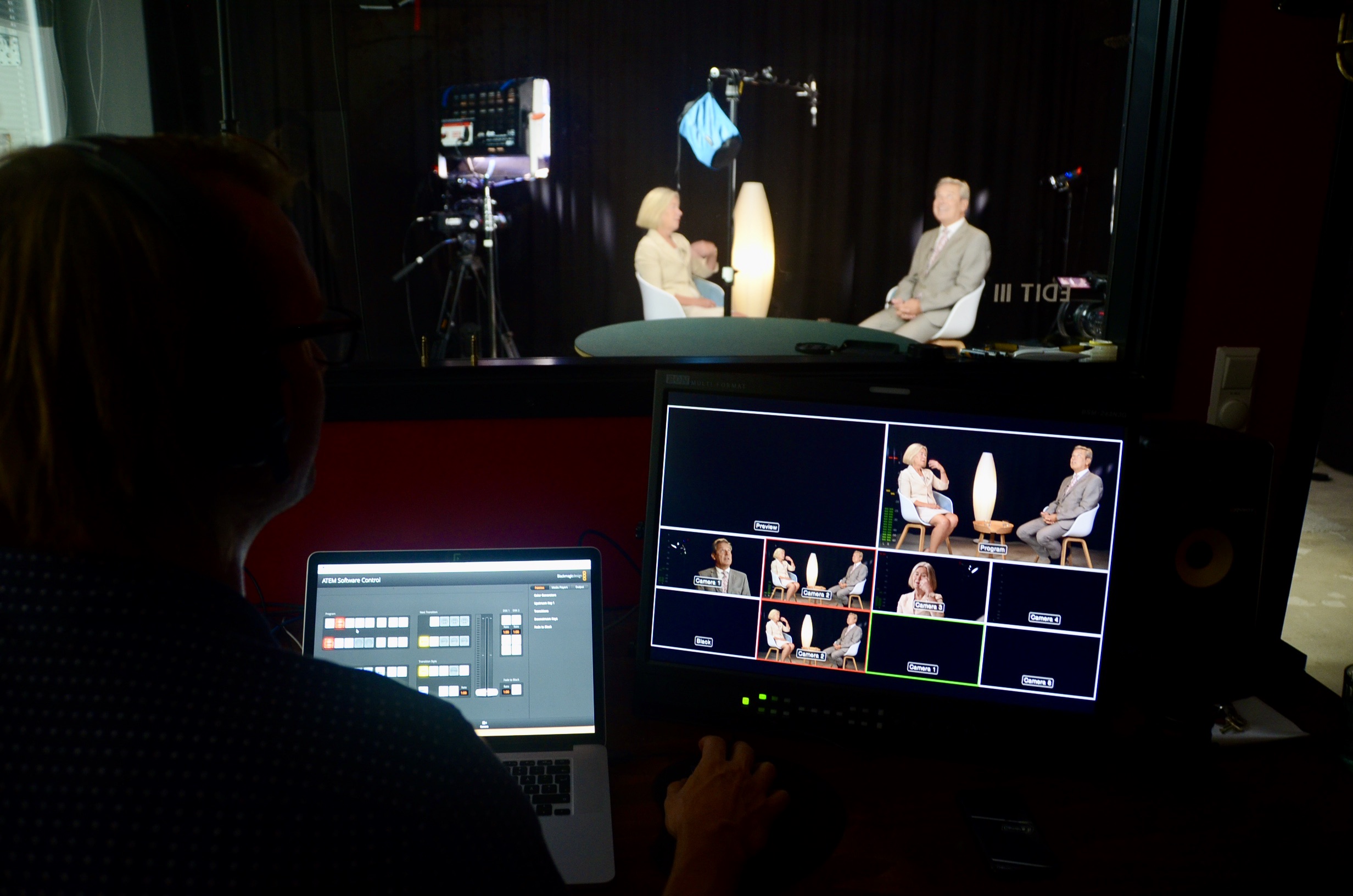
The best AI is invisible
Kim’s team prefers to use AI “in a way that doesn’t look like you’ve used AI at all.” Kim uses the example of an AI-generated explosion, which is pretty easy to spot. Whereas you're less likely to notice a background or transition that has been cleaned up by AI.
The films our clients want often feature real customers, colleagues and a culture they recognise. For these kind of stories, Kim finds that AI works best behind the scenes. In fact, for our film guys, AI is just another tool. What truly matters to them, and to our clients, is the result at the end of the project!
You have probably already adopted AI
Kim said it plain and simply: “chances are that you’re using AI more than you think.” What he means is that many tools already have AI-assisted features. Magic Eraser? AI. Autocomplete in your email? AI. The transcript of your last meeting? Also, AI. Not everyone thinks of them that way. Leaders need to realise that their people have already started using AI (maybe without even knowing), but the real question is this - where are you already using AI in your processes, and are you choosing to use it deliberately and consciously?
Where you use it matters more than what you use
Kim points out that “it’s more about where you’re using AI, rather than what tool you’re using.” Voiceovers, for example, are now close to sounding like the real thing (though Kim still tweaks them to make sure they sound thoroughly human). But reading human emotion is something AI still can’t do. That's why organisations need to decide what steps in each process to hand over to AI - and what to keep for human fine-tuning.
AI shows who has good taste, and who doesn’t
AI makes it easy to produce a video, slideshow or text, but that doesn’t mean it will be good. The output may come out polished, and yet can still feel impersonal and just a bit “meh.”
The same goes for tone. Kim says that AI-generated voices and texts can sound “too perfect,” which makes them less trustworthy. Corporate communication was often too polished already: “some brands have sounded like ChatGPT for a long time, long before ChatGPT existed!” AI is merely exposing the bland corporate voice for what it is, and that’s probably a good thing.
Let’s be honest...
Kim put it best: “We’re not pretending to be experts in AI, but let’s be honest - AI is new for just about everyone. And what we learn today might be good to know in a year, but it could also be irrelevant in a year. That’s what’s unique about it.”
Kim’s work shows that AI is already in the workflow, but human judgment is what makes the result good. So, our advice is to find out where AI is already working in your organisation. Decide what you want to keep human and remember to say out loud what you don’t know yet - it's how we keep our feet on solid ground!


