A client of ours had built over 200 pages of Standard Operating Procedures (SOPs), drawn from seven years of expertise, and rolled them out to 45,000 co-workers. Every word of them was accurate, they were well-written. And yet, they sat totally unused on a server, while the same avoidable accidents kept happening in real life.
Compliance was low. Not because people were careless or the SOPs were wrong, but because nobody had ever demonstrated why it matters. Talk to the co-workers and you'd hear the same thing, over and over: why does this matter for my role?
The accidents and shortcuts were evidence that the SOPs, however well-written they were, weren't influencing how people performed their tasks.
So, we stopped asking "how do we get people to read this SOP on the server" and started asking a different question: “how do we get them to learn this concept in those fifteen minutes before someone fulfils a task i.e. loads a truck?”
Making the "why" hard to ignore
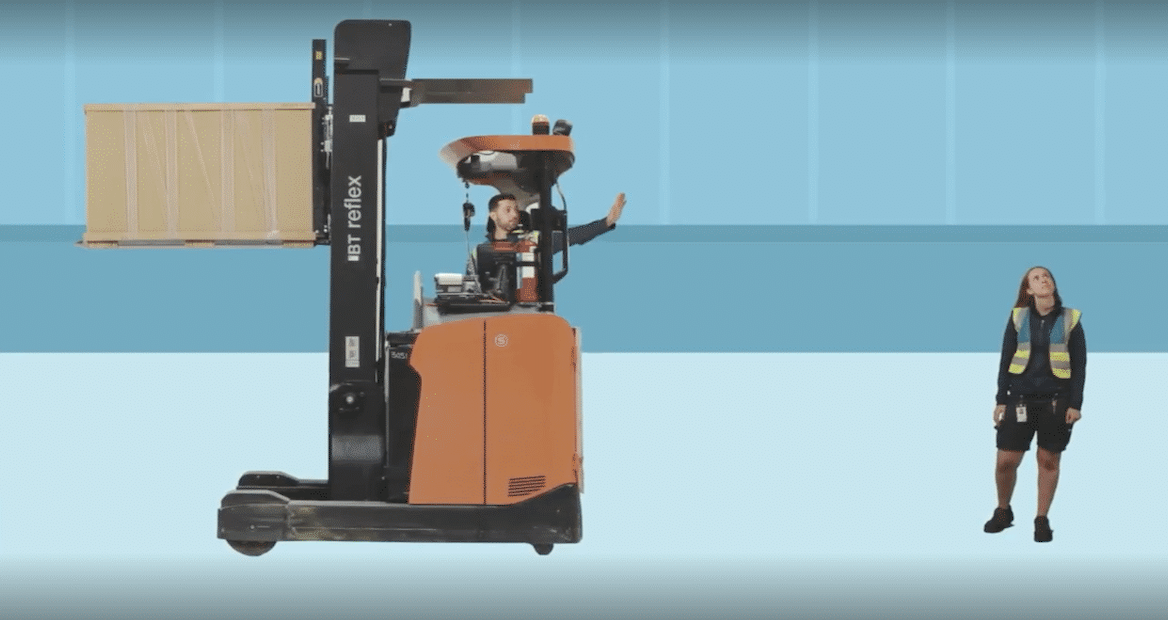
We started with a series of short films that were relatable and built around SOP-specific scenarios, like badly stacked containers or a forklift situation gone wrong. Each film ended with a question the team had to answer from their own context.
From there, teams moved to the physical site the SOP was written for, because that's where the learning (and therefore the change in behaviour) would take place. We ran Walk & Talk sessions that were fifteen to twenty minutes each and split across five topics, so any given team only covered what was relevant to them.
Every session closed with a challenge, which was something to bring back and report on at the next team meeting a week later. We also built in a self-assessment where teams rated themselves high, good, low, or not implemented, so that even a "good" score prompted people to think through what could still go wrong. Here's what people said:
"It creates interest and discussions on the floor where it all happens."
"[The sessions] raised the willingness of co-workers to contribute to improving our store's safety."
The bigger opportunity is what this can enable over time: safer ways of working, less product damage, smoother onboarding and operations day to day. Time and again at Symbal, we've seen these benefits with the clients we work with. When learning becomes part of the work itself, and people understand both what to do and why it matters - right when they need it most - the results speak for themselves.
This project is a clear example of something we see often. An organisation can have the right expertise and still get bad results. Because knowing something and doing it are not the same thing!
Over the years, we've made 500+ films around that idea. Sometimes it's a short scenario film; sometimes it's a fifteen-minute conversation on-site. No two projects look alike, the format changes depending on the client and the challenge, but the approach stays the same - we take static content from a manual or a policy, and put it back into the actual moment someone has to use it.
When we found the reason a specific team, on a specific site, should care, the SOPs became relevant and usable, and compliance followed. The clearest sign that learning has landed is whether they're still talking about it long after Symbal has left!