When a company introduces a new system or way of working, the first thing leaders ask one another is: “How do we teach people to use this new thing?” At Symbal, we think the better question is: "what do people need to understand, think and do differently - and what will get them there?" That question becomes particularly interesting when change crosses international borders.
Every company is different, and so is every country
Our work has taken us from Brazil to the US and Canada, and to countries across Europe, Asia and Australia. Sometimes we travel to deliver a programme. But often, we go there earlier - while the change communication and learning solutions are still being shaped. We go there to listen, learn and figure out: How does this particular organisation work? What needs to be adapted? And, just as importantly, what should stay the same?
That last question is important
In one international programme, we conducted around 200 qualitative interviews with managers and employees across nine countries. What struck us was the strength of the company culture. In the US especially, people talked about the Swedish culture, leadership and values as things that made the company distinctive. It reinforced something we’ve seen many times since: adapting to local conditions doesn’t mean adapting everything. Sometimes a company’s leadership values and ethical standards are exactly what make it distinctive and attractive.
Over time, we’ve become a kind of translator
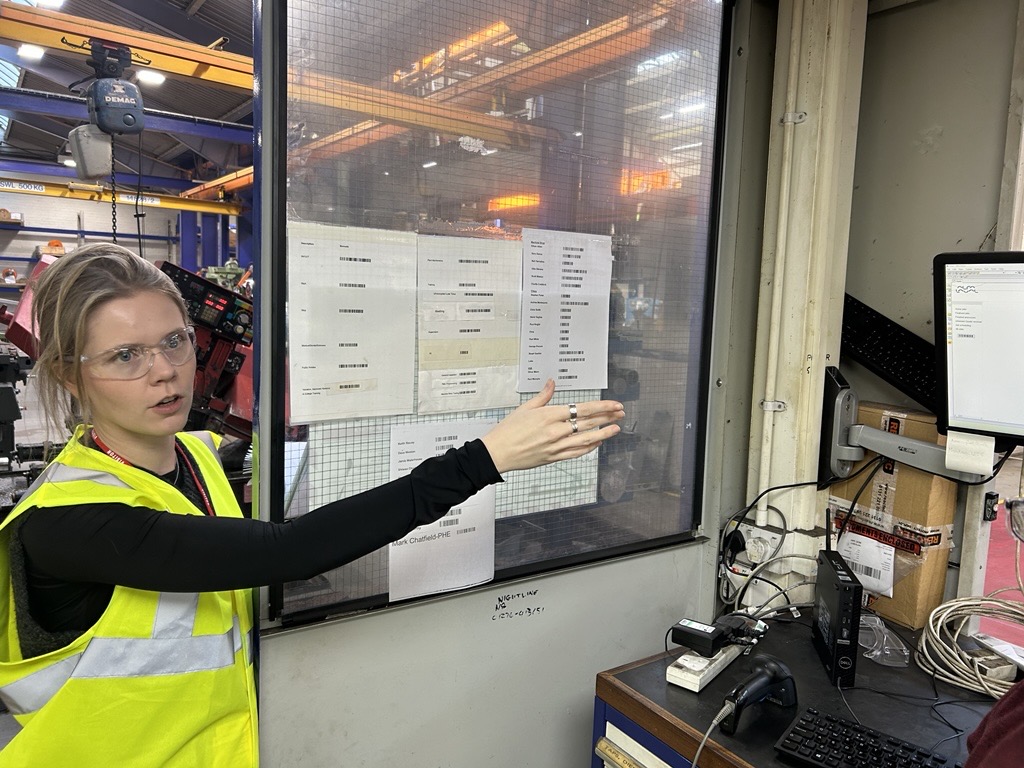
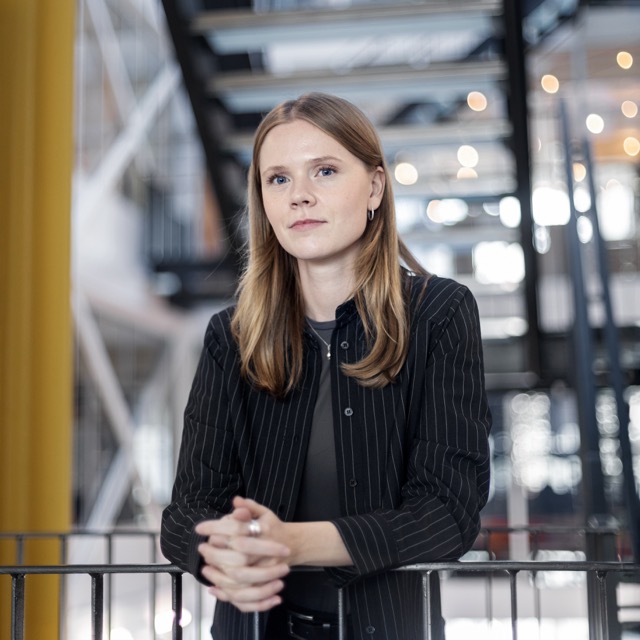
Not translators of language, but translators of change. That means helping global ambitions, values and ways of working make sense locally - without losing what made them important in the first place. And we’re still at it - Sofia Tingestedt, pictured below, has just come back from delivering training in Australia. Her next stop is Japan.
Three lessons from working internationally with transformation
Sofia is currently leading training as part of a global transformation programme. We caught up with her between trips to ask what working internationally has taught her about using learning as a means for transformation. For Sofia, three learnings stand out in particular:
- Start with people’s behaviour, not the new solution or system:
"Before designing the learning, get clear on what people need to understand and do differently, then design the journey that gets them there. People may need to unlearn old behaviours and assumptions, understand what is expected of them and why, and build the interest and confidence to move forward."
- Adapt locally but keep the core the same: "Respect local culture and context, but don't automatically adapt away the values and ways of working that hold a global company together. Many values and ethical standards travel remarkably well, and the local context helps us explain them in a way that makes sense to the people experiencing the change. It's rarely one-size-fits-all - the challenge is knowing what to keep consistent and what to adapt. Often, making a global approach work locally is more about being there to listen and understand."
- Go there, to listen and learn: "Don't get us wrong, we love digital at Symbal, and we're skilled at facilitating learning online. But time and time again, we've seen the value of working with people in their own environment. Being there physically reveals any misunderstandings before they become problems, and gives learners time to ask questions. And as facilitators, we hear the questions and see people's real-life reactions. That's when we really know if the change is working."
International travel can look expensive on a project budget. But our experience is that the value created by being there in person, with the people experiencing the change, can outweigh that cost many times over. Sometimes the shortest route to making global change work is to get on a plane!